
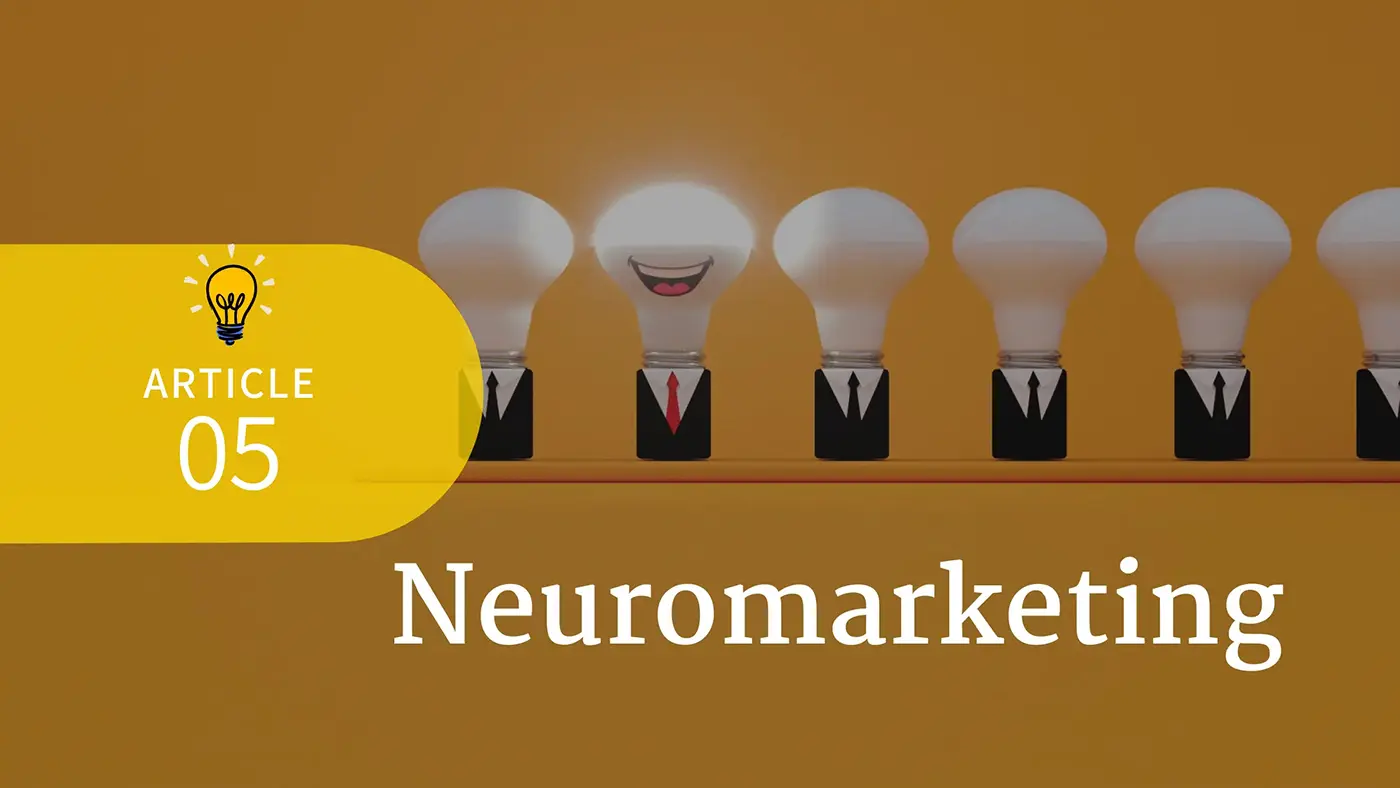
The psychology behind the choices your audience makes, inspired by Neuromarketing by Patrick Renvoisé & Christophe Morin.
Summary:
We like to believe we’re rational thinkers. Spoiler: we’re not. Most decisions happen in the emotional, instinctive part of the brain: the part that doesn’t care about your clever copy or perfect decks. Here’s what that means for your marketing, your leadership, and the way you communicate every day.
We think we decide with logic. But we don’t
A few weeks ago, I was reading Neuromarketing: Understanding the Buy Buttons in Your Customer’s Brain while doing research on neuromarketing. I thought I was getting into a classic marketing book. You know, the usual: funnels, persuasion, a couple of frameworks we’ve all seen a hundred times.
Instead, I ended up taking pages of notes about the brain and refreshing concepts from my years at Uni studying Psychology. It’s worth a read because it helps you understand why some campaigns land beautifully and others fall flat. Why some leaders inspire trust instantly, while others need a 27-slide deck to make a single point. Why we say we want one thing and then choose the opposite.
It all comes down to how the brain makes decisions. And guess what? The logical part of the brain doesn’t make the final call.
If you want the good parts without adding another book to your pile, here’s the recap.
Meet the three brains (but only one runs the show)
The authors explain that we think with three different layers of the brain:
- The new brain thinks (logic, analysis, language)
- The middle brain feels (emotion, social connection)
- The old brain decides (instinct, survival, fast action)
We love to pretend we’re driven by rational thinking. We’re not. The old brain – the survival brain, the one that scans for danger and shortcuts – is the one pressing the “yes” or “no” button. This is the part that determines whether:
- someone pays attention to your message
- your pitch makes sense
- your campaign feels relevant
- your team follows your direction
- your audience trusts you
People (you, me) don’t act on logic. We act on what the old brain recognises as important, safe, beneficial, or emotionally relevant.
The old brain responds to only six things
The old brain pays attention only when your message is:
1. Self-centred
People don’t ask “What does this brand do?” They ask: “What does this brand do for me?” Leaders forget this too: your team listens when they understand how the message affects their world.
2. Built on contrast
Before/after. With/without. Safer/riskier. The old brain loves a good comparison. It’s how it makes sense of things quickly.
3. Tangible
The old brain doesn’t understand abstract language. It needs something tangible: results, visuals, examples, numbers, real stories.
4. Clear at the beginning and the end
We remember openings and endings. If you bury your point in the middle, it’s gone.
5. Visual
The old brain is visual. If you say something, they might forget it. If you show something, they remember.
6. Emotional
Emotion triggers action. Not drama – relevance. A feeling of relief, possibility, clarity, recognition, hope. If you think about the best campaigns or the best leaders you’ve encountered, they all tap into some (or all) of these six triggers. They understand how humans work.
The four steps behind Marketing that actually works
If you want your message to land, you need four things:
1. Diagnose the pain
What is your customer trying to solve? Pain usually falls into three categories:
- Financial (money, resources, cost)
- Strategic (quality, growth, reputation)
- Personal (time, stress, confidence)
If you can’t name their pain, they won’t feel understood. And if they don’t feel understood, they won’t trust you.
2. Differentiate your claim
What makes your solution truly different? Not better – different. Why should they choose you instead of another brand, tool, or approach?
3. Demonstrate the gain
Show them the benefit of choosing you. The four strongest ways to make the gain real:
- A customer story
- A demo
- Data
- A vision (a clear picture of the future)
4. Deliver to the old brain
This means packaging your message so the deciding part of the brain actually receives it.
Use contrast. Visuals. Emotion. Simple language. Use the beginning and the end intentionally. And above all: make the message about them, not you.
Why Marketers (and Leaders) get this wrong
Because we love complexity.
We over-explain. Add more slides. Talk like we’re trying to impress someone. We focus on logic instead of clarity, and we communicate as if the audience has infinite time, attention, or patience. They don’t. Communication fails when we forget that humans are fast, emotional, distracted decision-makers. You can be brilliant and still lose people if the message doesn’t reach the part of their brain that decides.
What this means for you as a Leader
This isn’t just a marketing thing. Understanding how people make decisions changes the way you:
- give feedback
- pitch ideas
- lead meetings
- motivate your team
- write emails
- get buy-in
- explain priorities
- navigate conflict
If you want people to follow your direction, make decisions easier for them.
Use contrast. Share the why. Start with what matters to them. Make your message tangible. Show, don’t tell. And always, always keep it human.
What we’ve learned
People don’t make decisions with logic. They make them with instinct, emotion and clarity. If you want your marketing to work, or your leadership to land, speak to the part of the brain that actually decides.
Be clear. Be visual. Be human. Make it about them.
And remember: the simpler the message, the faster the old brain says yes.